Samsung Just Put USDC on 82 Million Galaxy Phones — Crypto May Never Feel the Same
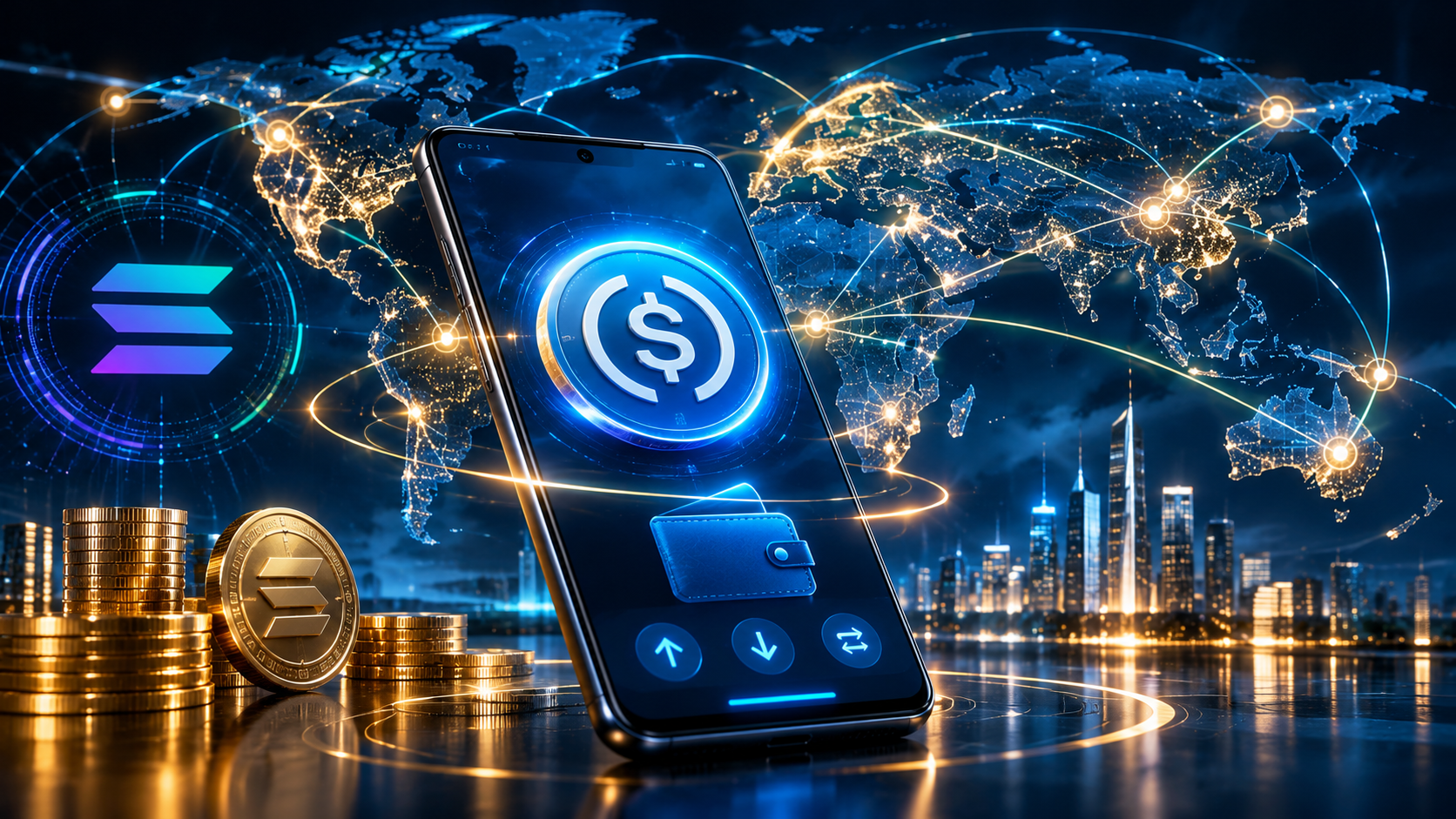
Crypto adoption may have just moved one step closer to everyday smartphone users. Samsung Wallet has launched stablecoin functionality for eligible Galaxy users in the United States, allowing them to buy, hold, send and receive Circle's USDC directly through an app already used for everyday digital wallet services.
The launch brings USDC access to approximately 82 million compatible Galaxy devices in the US. Users no longer need to download a separate crypto wallet or manage their own private keys to use the supported stablecoin service.
The development is significant because Samsung is bringing digital dollar transfers into a mainstream mobile experience rather than asking consumers to enter the crypto ecosystem through a dedicated trading platform.
Samsung first announced the initiative in October, with the rollout planned for the final week of that month. The service is now live for eligible US users, according to reporting published on November 5.
The bigger question is whether familiar smartphone wallets can become an important distribution channel for stablecoins.
USDC Is Now Available Directly Inside Samsung Wallet
Samsung Wallet's new stablecoin feature initially supports USDC, the dollar-pegged stablecoin issued by Circle.
Eligible users can buy, hold, send and receive USDC on the supported blockchain infrastructure directly through Samsung Wallet. This removes several steps that have traditionally made crypto transfers difficult for people who are unfamiliar with digital assets.
Previously, someone looking to send stablecoins might have needed to download a separate wallet, create an account, understand wallet addresses and manage private keys.
Samsung is attempting to simplify that process by placing stablecoin functionality inside an existing mobile wallet.
The service is designed for eligible US residents aged 18 or older using compatible Galaxy devices with Samsung Wallet and Android 13 or higher. Account registration, identity verification and biometric authentication are required.
The 82 million figure refers to compatible Galaxy devices in the United States, not 82 million confirmed active stablecoin users.
That distinction matters. The potential reach is substantial, but actual adoption will depend on how many eligible customers activate and regularly use the feature.
Samsung, Coinbase and Bastion Are Behind the Launch
Samsung is not independently operating every part of the stablecoin service.
The company has brought together specialist partners to handle custody, infrastructure and money movement.
Bastion provides the stablecoin account and payment infrastructure, while Coinbase acts as its official sub-custodian. USDC held through the service is safeguarded through Coinbase Prime Vault.
Samsung says its compatible Galaxy devices act as the secure gateway, with biometric authentication required to initiate transfers.
This arrangement is important because Samsung is primarily providing the consumer-facing experience, while regulated partners handle the financial and custody functions.
Samsung has also clarified that it is not a bank, money transmitter or digital asset custodian and does not directly hold customer funds. Those services are provided by its partners under their applicable terms.
The launch represents another stage in Samsung's broader relationship with Coinbase. The companies had already introduced Samsung Pay as a payment option in the Coinbase app and made Coinbase One benefits available to eligible users through Samsung Wallet.
Solana and Sui Bring Blockchain Infrastructure Into the Picture
The new service also connects Samsung Wallet to blockchain infrastructure providers, including Solana and Sui.
Solana has a particularly visible role in the USDC launch. The Solana Foundation announced in October that Samsung Wallet and Samsung Pay would support stablecoin transfers using its network.
For users, the aim is to make blockchain infrastructure less visible. Instead of navigating network-specific tools, customers interact with the familiar Samsung Wallet interface.
This is one of the most important differences between crypto-native applications and mainstream financial products.
Crypto users are often comfortable selecting networks, checking transaction fees and managing wallet addresses. Everyday consumers may not want to deal with those details.
By integrating the experience into an established mobile wallet, Samsung is attempting to make stablecoin transfers feel more like a regular digital payment.
Samsung Wallet Can Send Money to Bank Accounts in More Than 60 Countries
The international transfer feature could be one of the most commercially important parts of the launch.
Eligible US users can send USDC to compatible external crypto wallets internationally. Samsung says it does not charge a fee for these transfers, although receiving wallets and exchanges may impose their own charges.
The service also supports transfers to eligible bank accounts in more than 60 countries.
In those cases, recipients may receive money in their local currency without needing to own a crypto wallet themselves.
This creates a bridge between stablecoins and traditional banking infrastructure.
However, international bank transfers are not automatically free. Samsung's terms state that fees vary according to the destination country and transfer amount. The app displays applicable charges and estimated delivery times before the sender confirms a transaction.
Bank eligibility and delivery times can also vary.
For people sending money across borders, the model could offer another way to move value internationally. Whether it becomes competitive with existing remittance services will depend on fees, availability, speed and customer experience.
Why This Could Be a Major Moment for Stablecoin Adoption
Stablecoins have become an important part of the cryptocurrency economy, but their everyday use has often been concentrated among crypto traders, exchanges and blockchain applications.
Samsung's move could help bring stablecoins to a much wider audience.
The company already has an established mobile wallet ecosystem. By adding USDC functionality, it is placing a digital dollar product inside an application that eligible customers may already use for cards and other digital credentials.
That distribution advantage could matter more than the technology itself.
Consumers do not necessarily need to understand blockchain networks to benefit from a payment service. They need an experience that is easy to access, reliable and transparent about costs.
There are several potential implications:
- Wider access: Eligible Galaxy users can access USDC without installing a separate crypto wallet.
- Cross-border transfers: Users can send stablecoins to compatible wallets and eligible bank accounts abroad.
- Mainstream distribution: Stablecoin functionality becomes part of a familiar smartphone application.
- Institutional partnerships: Samsung, Coinbase and Bastion combine consumer distribution with custody and payment infrastructure.
Still, a large compatible-device base does not automatically translate into mass adoption. Users must trust the service, understand its fees and have a practical reason to use it.
What Users Should Know Before Using the Service
The launch has important geographic and eligibility limitations.
At present, the stablecoin functionality is designed for eligible users in the United States. It is not a global Samsung Wallet launch.
Users must meet age and account requirements, use a compatible Galaxy device and complete identity verification and biometric authentication setup.
Samsung also says that supported external wallets must accept USDC on a blockchain network supported by Samsung Wallet.
Another important detail concerns fees. Samsung does not charge for transfers to compatible external wallets, but recipient platforms may apply their own charges. Transfers to qualifying international bank accounts can also involve destination-dependent fees.
The company has indicated that future capabilities could include stablecoin payments online or in physical stores using compatible Galaxy devices. These are potential future developments, not features that should be assumed to be available at launch.
Samsung may also explore expansion into additional markets as regulatory conditions allow.
Could Other Smartphone Companies Follow Samsung?
Samsung's launch raises a broader question for the digital asset industry: will smartphone manufacturers become important gateways for stablecoin adoption?
If consumers become comfortable buying and transferring USDC through a familiar mobile wallet, other technology companies may face pressure to examine similar services.
That does not mean every smartphone company will launch a crypto wallet. Regulatory requirements, custody responsibilities, partnerships and consumer demand will influence whether such products make commercial sense.
But Samsung has demonstrated a possible model: a technology company can integrate stablecoin access into its existing ecosystem while relying on specialist partners for custody and financial infrastructure.
For Circle, Coinbase, Solana and the wider stablecoin market, access to an established consumer distribution channel could be valuable.
The Bottom Line
Samsung's USDC launch is more than another crypto integration. It brings stablecoin access into a familiar smartphone wallet and gives eligible US Galaxy users a way to buy, hold and transfer digital dollars without managing a separate crypto application.
The 82 million compatible-device figure highlights the potential scale, although it should not be mistaken for the number of active users.
The real test will be adoption. If customers begin using Samsung Wallet for international transfers and everyday financial activity, stablecoins could become less of a specialist crypto product and more of a practical payment option.
For now, Samsung has opened the door. The next chapter will depend on whether millions of eligible smartphone users actually walk through it.
Source
Samsung Electronics America official announcement; Decrypt's November 5, 2026 report; Solana Foundation announcement.