US-Iran Peace Deal Hopes Send a Powerful Signal to Markets: Could Oil, Bitcoin and European Stocks Rally Next?
A possible diplomatic breakthrough between Washington and Tehran is putting global financial markets on alert.
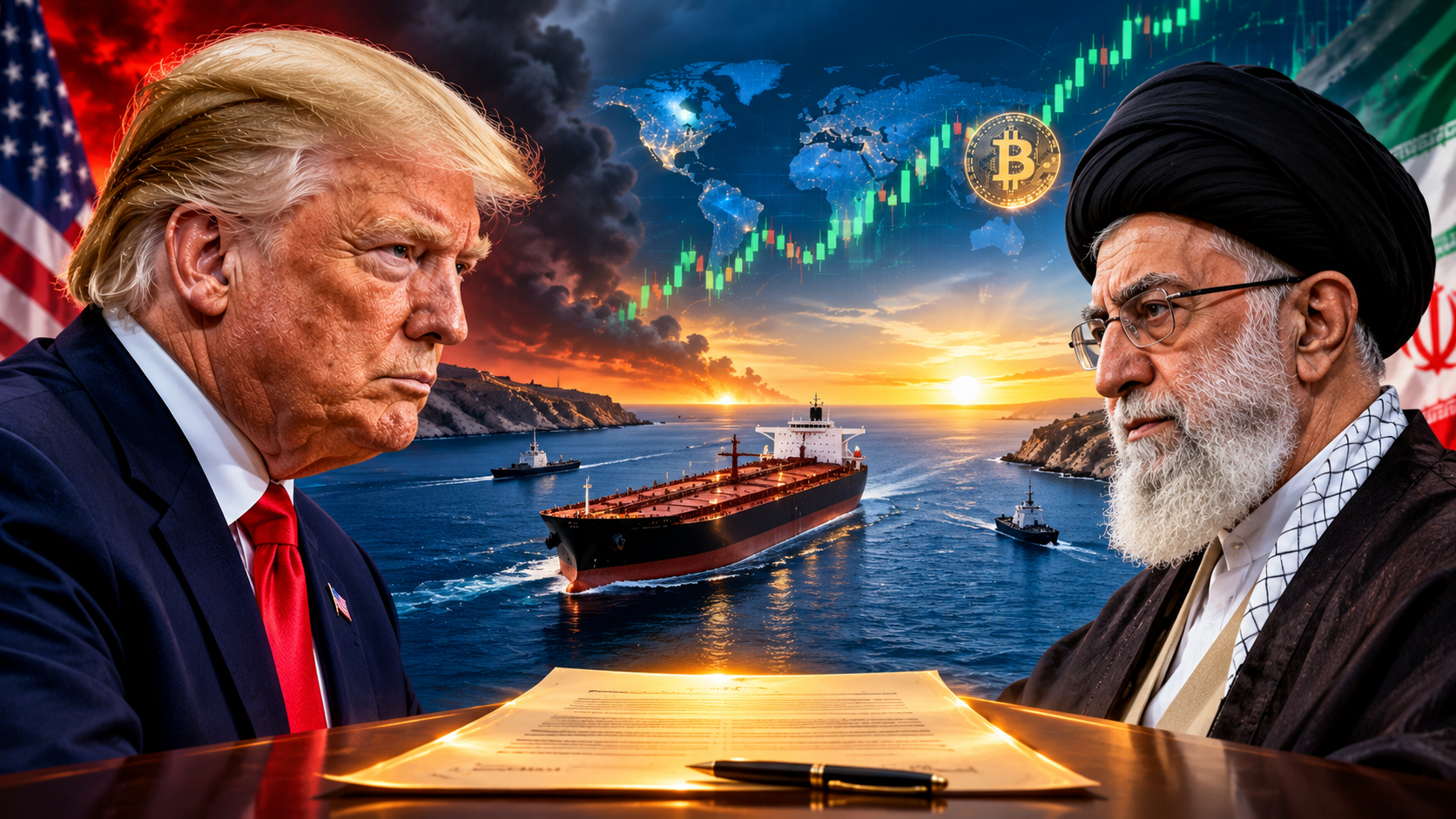
After weeks of military tensions, economic pressure and negotiations involving regional mediators, attention has shifted towards a draft proposal that could provide a path to ending the US-Iran conflict and restoring stability around the Strait of Hormuz.
The latest developments have sparked optimism among traders, with Crypto Rover highlighting an Al Jazeera report suggesting Washington had approved a draft memorandum of understanding. However, the available reporting points to ongoing negotiations and a proposal under discussion, not a publicly confirmed final peace agreement.
That distinction matters.
If the two sides move closer to an agreement, the implications could extend well beyond the Middle East. Oil prices, European energy costs, shipping routes, inflation expectations, Bitcoin and global equities could all respond to the changing geopolitical outlook.
For investors, the central question is becoming increasingly important: Is the US-Iran conflict moving towards diplomacy, or is another escalation still possible?
US-Iran Negotiations Enter a Critical Stage
The latest diplomatic activity follows indirect negotiations involving Qatar and Pakistan, which have been working to bring Washington and Tehran closer to an understanding.
According to Al Jazeera's November 1 reporting, Iranian Foreign Minister Abbas Araghchi discussed a proposal involving the reopening of the Strait of Hormuz and a renewed diplomatic process.
Iran has linked progress to several demands, including sanctions relief, changes to the US military presence in the region and arrangements concerning shipping through the strategic waterway.
Reuters reported on November 2 that Iranian negotiators had left Doha after discussions with Qatari mediators. An official familiar with the negotiations said a draft proposal was being circulated and that another meeting remained possible.
The departure of the Iranian delegation was not described as a breakdown in negotiations.
On November 3, Reuters reported that Washington and Tehran remained far from a comprehensive agreement, despite intensified mediation. Both sides were reviewing a new proposal, with feedback expected through diplomatic channels.
The developments suggest that negotiations are continuing, but significant differences remain.
For now, neither the circulation of a draft nor reported progress should be confused with a signed and implemented agreement.
Why the Strait of Hormuz Is at the Centre of the Story
The Strait of Hormuz is one of the world's most important energy shipping routes.
It connects the Persian Gulf with the Gulf of Oman and the wider international shipping network. A significant share of global oil and liquefied natural gas shipments normally passes through this narrow waterway.
Any disruption can affect the movement of energy supplies from major Gulf producers to customers in Asia, Europe and other regions.
That is why even the possibility of reopening the route could become a major development for financial markets.
A stable shipping environment could help:
- Reduce uncertainty around oil transportation.
- Lower the risk of supply disruptions.
- Improve confidence among energy importers.
- Reduce pressure on shipping and insurance costs.
- Support more predictable energy pricing.
However, the impact would depend on actual implementation.
A diplomatic announcement alone would not immediately restore normal shipping conditions. Commercial operators would still need confidence in maritime security, insurance availability and the durability of any agreement.
Oil Prices Could Be Among the First Markets to React
Energy markets are particularly sensitive to developments around the Persian Gulf.
When traders fear that oil shipments could be interrupted, geopolitical risk can become part of the price of crude. If those fears ease, some of that risk premium may disappear.
A credible US-Iran agreement could therefore put downward pressure on oil prices, particularly if it includes a durable arrangement for reopening the Strait of Hormuz and reducing military tensions.
Lower oil prices could have wider economic consequences.
For countries that import large quantities of energy, cheaper crude can reduce import costs and ease pressure on domestic fuel prices.
For businesses, lower energy and transportation costs can improve operating conditions. Airlines, logistics companies and manufacturers could benefit if the reduction is sustained.
But the reverse is also possible.
If negotiations fail, military tensions return or shipping remains restricted, oil markets could quickly price in renewed supply risks.
The important point for investors is that the direction of oil prices may depend more on the actual terms and implementation of an agreement than on headlines about diplomatic progress.
Europe Could Be One of the Biggest Economic Beneficiaries
European economies are particularly sensitive to energy prices, industrial costs and international trade disruptions.
Although Europe has diversified its energy supply since Russia's invasion of Ukraine, oil and gas prices remain important factors for the region's economic outlook.
A reduction in geopolitical risk around the Persian Gulf could benefit European businesses through several channels.
1. Lower energy costs
A sustained decline in oil prices could reduce costs for transportation, manufacturing and other energy-intensive industries.
2. Inflation relief
Cheaper energy can help ease headline inflation, although the impact on consumer prices would depend on currency movements, taxes, distribution costs and the speed at which wholesale price changes reach households.
3. Improved business confidence
Companies operating across international supply chains could benefit from more predictable shipping and energy conditions.
4. Potential support for European equities
Industries exposed to energy costs, travel and transportation could respond positively to a credible de-escalation.
However, a peace framework would not automatically produce a broad European stock-market rally. Corporate earnings, interest rates, economic growth and other geopolitical risks would continue to influence share prices.
For European investors, the development is potentially positive, but the strength of the market response will depend on whether diplomatic progress becomes a lasting reality.
Could Bitcoin Benefit From a US-Iran Agreement?
Bitcoin could also attract attention if geopolitical tensions begin to ease.
During periods of international uncertainty, investors may reduce exposure to volatile assets or increase demand for certain defensive investments. A credible reduction in military risk could improve overall market sentiment and encourage investors to reconsider positions in risk-sensitive assets.
That could create a more supportive environment for Bitcoin and other cryptocurrencies.
There are several possible channels through which this could happen.
Improved risk appetite: If investors become more comfortable with the global outlook, demand for risk-sensitive assets could improve.
Lower energy-price pressure: A sustained decline in oil prices could reduce inflation concerns and influence expectations around central bank policy.
Broader financial-market recovery: If equities and other risk assets respond positively, cryptocurrencies could benefit from improved investor confidence.
But Bitcoin's reaction is far from guaranteed.
The cryptocurrency market is also influenced by ETF flows, institutional demand, liquidity, derivatives positioning, Federal Reserve expectations and regulatory developments.
A diplomatic breakthrough could be supportive, but it would not necessarily trigger an immediate Bitcoin rally.
Investors should also remember that geopolitical headlines can produce short-lived price movements that reverse when new information emerges.
Will US and European Stock Markets Rally?
A reduction in the risk of a wider Middle East conflict could be welcomed by global equity markets.
Investors generally prefer a more predictable environment for energy supplies, international trade and business planning.
If the US-Iran negotiations produce a credible agreement, several sectors could attract attention.
| Sector | Potential impact |
|---|---|
| Airlines | Lower fuel costs could improve margins |
| Shipping | Reduced geopolitical risk could support operations |
| Manufacturing | More predictable energy costs could help businesses |
| Travel and tourism | Improved regional stability could support confidence |
| Energy importers | Lower oil prices could reduce cost pressure |
| Defence | Reduced escalation expectations could affect sentiment |
The impact would not be uniform.
Oil producers could face pressure if crude prices decline, while energy-intensive businesses could benefit from cheaper inputs.
Defence stocks could also respond differently depending on whether investors believe the agreement will reduce military spending or simply pause an immediate escalation.
For major indices such as the S&P 500, Germany's DAX, France's CAC 40 and the UK's FTSE 100, the broader economic environment will remain important.
A diplomatic breakthrough could provide a positive catalyst, but it would not replace the influence of interest rates, earnings and economic data.
What Could Still Go Wrong?
Despite the optimism surrounding the latest negotiations, a final agreement remains uncertain.
The US and Iran have different priorities, and several major issues could complicate the process.
Sanctions: Tehran wants meaningful sanctions relief, while Washington may seek specific commitments before easing restrictions.
Nuclear programme: Iran's nuclear activities remain one of the most difficult issues in negotiations.
Military presence: Disagreements over US forces and regional security arrangements could slow progress.
Strait of Hormuz: Reopening the waterway and maintaining safe commercial shipping would require practical arrangements and confidence on the ground.
Regional conflict: Developments involving Israel, Lebanon and other regional actors could complicate a broader settlement.
There is also the possibility that both sides reach an interim understanding without resolving the most difficult questions.
That could reduce immediate tensions while leaving the underlying conflict unresolved.
Markets would need to distinguish between a temporary pause, a framework for further talks and a comprehensive peace agreement.
What Investors Should Watch Next
The next phase of negotiations could determine whether the current optimism develops into a sustained market trend.
Investors and traders should monitor five developments particularly closely:
- Official White House confirmation: Whether Washington publicly confirms acceptance of the draft or announces a formal negotiating position.
- Iran's response: Whether Tehran accepts the proposed framework or demands major changes.
- Strait of Hormuz shipping: Whether commercial vessels can resume normal operations with reliable security arrangements.
- Oil-market reaction: Whether crude prices begin reflecting a sustained reduction in supply risk.
- Bitcoin and equity-market flows: Whether investors follow the geopolitical developments with increased exposure to risk-sensitive assets.
The most meaningful signal would not simply be another optimistic statement from either side. It would be measurable progress in implementing an agreement.
The Bottom Line: A Peace Deal Could Change the Market Mood — But the Hardest Part Is Still Ahead
The latest US-Iran diplomatic developments have given markets a reason to watch for a possible shift away from military escalation.
A successful agreement could ease pressure on energy markets, improve shipping confidence, support European businesses and create a more favourable environment for global equities and cryptocurrencies.
But negotiations are not the same as peace.
The draft proposal still faces political, economic and security challenges. The two governments must agree on the details, establish a workable implementation process and demonstrate that any commitments can be maintained.
For now, traders have a potential diplomatic breakthrough to monitor — not a confirmed end to the conflict.
If Washington and Tehran can turn the current negotiations into a durable agreement, the impact could reach from the Strait of Hormuz to European factories, Wall Street trading floors and the Bitcoin market.
And that is why the next few days could matter far beyond the Middle East.
Frequently Asked Questions
Has the United States approved a peace deal with Iran?
Available reporting indicates that Washington and Tehran are reviewing a draft proposal through diplomatic channels. A final, publicly confirmed peace agreement has not been established by the sources cited in this article.
Why is the Strait of Hormuz important to global markets?
The Strait is a major route for international oil and LNG shipments. Disruption can raise energy supply concerns, shipping costs and geopolitical risk.
Could a US-Iran agreement lower oil prices?
It could reduce the geopolitical risk premium in oil prices if it leads to reliable shipping and lower supply disruption risks. The actual price movement would depend on implementation and wider supply-demand conditions.
Could Bitcoin rise if US-Iran tensions ease?
Bitcoin could benefit from improved investor risk appetite, but its price also depends on liquidity, ETF demand, monetary policy and crypto-specific developments.
Could European stocks benefit from a peace agreement?
Potentially. Lower energy costs and improved trade confidence could support some European industries, although the effect would vary across sectors and companies.
What happens if the negotiations fail?
A breakdown could increase the risk of renewed military escalation, shipping disruption and higher energy-market volatility.
Is the US-Iran draft agreement the same as a final peace treaty?
No. A draft memorandum or framework can outline possible commitments, but it does not become a final and implemented settlement until the parties agree to its terms and carry them out.
Sources and Further Reading
- Al Jazeera — Mediators continue US-Iran negotiations amid war rhetoric: What we know
- Reuters — Iranian negotiators leave Doha as draft proposal for US deal circulates
- Reuters — Iran-US deal still out of reach despite diplomatic push, Iranian official says
- Associated Press — Mediators are working to broker a US-Iran deal, but major hurdles remain
Editorial Note
This report distinguishes between a draft proposal, diplomatic progress and a final agreement. The status of negotiations may change as governments and mediators release further information.
Disclaimer: This article is for informational purposes only and does not constitute financial or investment advice.